Sometimes planning steps and implementing strategies become quite difficult due to lack of data. Intuitions are unreliable as a wrong step can start a plummet. A little help from real-time feed and a lot of tracking of data for years with ample analysis can save your day. That is where sales analytics come in handy. It is cost-effective, time-saving, and reliable.
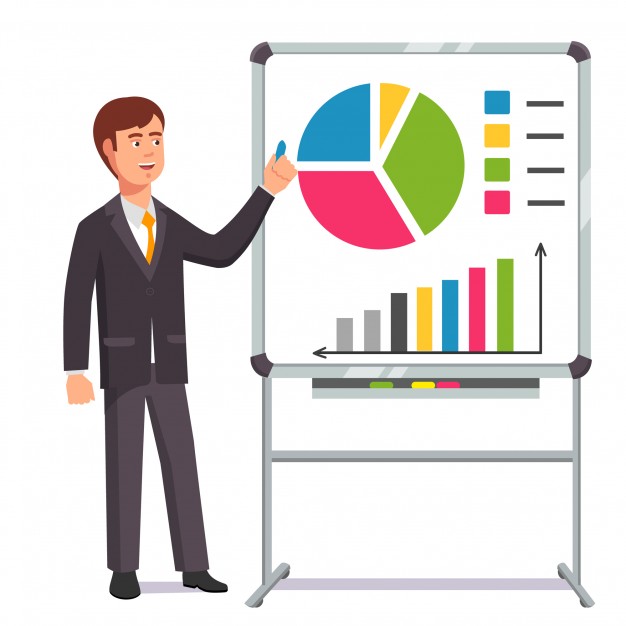
With the latest inclusion of AI, sales analytics have become a commendable force. 79% of sales teams prefer these tools to boost their efficiency.
What is sales analytics?
Sales analytics is a method to get into sales data analysis and identify, create models, understand nuances, and predict sales trends and results. The process also reveals improvement points. It is a blend of past analysis and prediction for future trends.
- Fetches data from both account-level and lead-level records
- It is an elaborate planning exercise
- It tweaks various parameters
- The process involves the manipulation of measures, dimensions or figures
What are the types of sales analytics?
There are multiple types. For your every specific demand, you can opt for a particular type. Sales teams prefer apt analysis as it generates almost double leads (33%) than intuitions (16%). These types are
Descriptive:
It talks about sales-related data as per the priority. It comes in summarized form.
Diagnostic:
This type tries to find the reason behind a specific type of data. This helps in assessing trends.
Predictive:
Companies go for predictions to find out growth opportunities. This has a direct link with diagnostic results.
Prescriptive:
Prescriptive analytics help in devising a clear game plan.
Why sales analytics?
76% of sales professionals feel that sales analytics helped them in providing a consistent experience to their buyers. They have facts vouching for their belief.
1. Various sales analytics solutions help in understanding predictive or prescriptive moves
2. Sales attribution models help in handling resources in a better way
3. Insights help top performers in charting a definite course of action. This will help in better streamlining of procedures
4. Margin analytics help in reading possibilities of supply-chain data structure with a real-time feed
Conclusion:
Artificial intelligence has permeated across different sales management analytics. In the coming three years, it expects a 139% rise in inclusion. With its better percolation, customer experience is bound to improve.
You may like to read: Top 3 Benefits of Using Business Intelligence Software
The core of any data analytics tool holds an intent to increase profit margins. With companies realizing this as a fact, chances of adoption of this as a strategy increases.
 Business analytics solutions